The Role of Luck in Gambling
In the world of gambling, luck is often considered one of the most crucial elements that can determine a player’s success. While skill and strategy play important roles in various games, such as poker, chance dictates outcomes in many casino games like slots and roulette. Players often enter casinos with the hope that luck will be on their side, leading to significant wins or memorable experiences, especially when using a reliable betting app that enhances their overall gameplay options and strategies. The unpredictable nature of luck in gambling creates an exhilarating atmosphere that draws many enthusiasts to the tables and machines.
Understanding the role of luck can enhance one’s perspective on casino games. For instance, those who play slot machines may notice that despite their strategies, outcomes can vary dramatically from one moment to the next. Gamblers might hit a jackpot one round and lose their entire bankroll the next. This fluctuation is what keeps players engaged; they are continuously chasing that next lucky streak that could change their fortunes in an instant. The thrill of not knowing how the next round will unfold adds to the excitement and allure of gambling.
Furthermore, many players believe in superstitions or rituals that they think can influence their luck. From wearing lucky clothing to choosing specific times to gamble, individuals often adopt personal practices intended to attract good fortune. These beliefs can bolster the enjoyment of the gaming experience, creating a unique blend of excitement and emotional investment that goes beyond mere gameplay. The act of engaging in these rituals can also serve to enhance players’ confidence and positivity, further impacting their overall experience at the casino.
The Psychology of Luck in Casinos
The psychological aspect of luck plays a major role in shaping a player’s casino experience. When individuals experience a series of wins, they often feel euphoric and believe that their luck is turning, which can lead to further gambling. This phenomenon is sometimes referred to as the “hot streak” effect, where players become increasingly confident in their luck and are more likely to engage in high-stakes betting. This emotional high can create a sense of invincibility, leading to decisions that may not always be rational. The excitement of winning can cloud judgment and lead to impulsive decisions that may not align with the player’s overall strategy.
Conversely, after a string of losses, players may feel demoralized, affecting their willingness to continue gambling. This emotional rollercoaster can lead to a concept known as “loss chasing,” where players continue to bet in hopes of recouping their losses, often resulting in further financial strain. The psychology of luck thus becomes cyclical; players oscillate between feelings of great hope and despair, deeply influencing their overall experience in the casino. This ebb and flow of emotions can significantly impact how long players choose to stay and how much they are willing to wager.

Cognitive biases, such as the gambler’s fallacy, also illustrate how luck affects a gambler’s mindset. This bias leads individuals to believe that past events can influence future outcomes, like assuming that a slot machine is “due” for a payout after a series of losses. Such thinking often complicates the relationship gamblers have with luck, as many invest emotionally in these patterns, hoping that their intuition will turn out to be correct. Unfortunately, this can lead to a misguided sense of control over an inherently unpredictable outcome, creating a complex interplay between luck and decision-making in the gambling context.
The Impact of Luck on Game Selection
Players’ perceptions of luck can significantly influence their choice of games in a casino. Many gamblers are drawn to games that are perceived as luck-driven, such as slots or bingo, because they offer the thrill of immediate gratification with the potential for large payouts. These games often have simple rules and require little skill, making them accessible for casual players who prefer to rely on chance rather than strategy. The allure of hitting a jackpot with minimal effort is undeniably appealing, particularly for those looking for excitement without extensive knowledge of game mechanics.
On the other hand, more strategic games like poker or blackjack attract players who enjoy the interplay between skill and luck. While luck plays a critical role in these games, a deeper understanding of game strategy can enhance a player’s ability to influence outcomes. These players might focus on honing their skills while still acknowledging that luck can change the game’s momentum in an instant. The blend of preparation and reliance on fortune makes for a richer gaming experience, as players navigate the complexities of both chance and strategy.
This diversity of game selection also illustrates how different perceptions of luck can cater to various player types. For some, the thrill of spinning the reels is the ultimate rush, while others seek the intellectual challenge of outsmarting opponents. Regardless of the game chosen, luck remains a pivotal factor that transforms the gaming environment into one of intense excitement and unpredictability. Understanding how luck influences game selection can help players make more informed choices that align with their personal preferences and playing style.
The Effects of Luck on Social Interactions
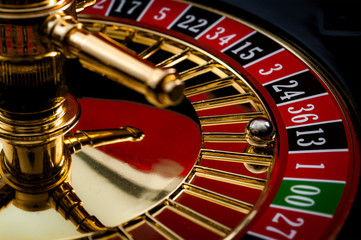
Luck can significantly influence the social dynamics within a casino. When players are experiencing good fortune, they often feel more sociable and willing to engage with others, sharing their excitement and celebrating wins together. This creates a communal atmosphere that enhances the overall experience, as individuals bond over shared luck and victories. Games like craps or roulette, where betting is communal, often intensify this social interaction, giving players a sense of camaraderie that can elevate the gaming experience. The shared highs and lows of luck can forge connections among players, creating lasting friendships based on a shared passion.
Conversely, when a player is experiencing a streak of bad luck, they may become withdrawn or irritable, which can impact social interactions. Other players may avoid engaging with someone who appears frustrated or upset, resulting in fewer shared experiences and less camaraderie. This fluctuation in mood and engagement levels based on luck highlights the intricate relationship between fortune and socialization in the gaming environment. Social dynamics can shift rapidly, with the atmosphere of the casino reflecting the collective emotional state of its patrons.
Furthermore, casino staff are trained to manage these social dynamics as well. They often encourage positive interactions, knowing that a lively atmosphere can lead to extended play and greater spending. Through their interactions with patrons, dealers and staff can facilitate an environment where luck, whether good or bad, becomes a shared experience, further enriching the casino’s social landscape. The role of casino staff in enhancing social interactions cannot be underestimated, as their engagement can foster a more welcoming environment that encourages players to connect with one another.
Your Experience with Luck and Casinos
Ultimately, the influence of luck on your casino experience is undeniable. It shapes not just the outcomes of games, but also your emotions, social interactions, and decisions on what games to play. Embracing the unpredictable nature of luck can enhance your enjoyment and create lasting memories, whether they are of grand wins or lessons learned from losses. Recognizing that luck is an integral part of the gambling world can help you develop a more balanced mindset and approach to your gaming experiences. This understanding can lead to a more fulfilling time in the casino, where every moment is appreciated for its potential excitement.
As you navigate through casinos, remember that every spin, roll, or deal offers a new opportunity for excitement. Adopting a positive perspective on luck can lead to a richer experience, even when outcomes don’t go your way. Engaging with fellow players and sharing stories about fortune can create a sense of community and camaraderie essential to enjoying your time in these vibrant environments. The relationships built through shared experiences can enhance your overall enjoyment and create a supportive network among players.
Whether you’re a seasoned gambler or a first-time visitor, understanding the subtleties of luck will help you appreciate the thrill of the game and the unique atmosphere of casinos. By keeping an open mind and embracing both the challenges and triumphs that luck brings, you can maximize your enjoyment and ensure that every visit is memorable. Ultimately, your experience in a casino is shaped not just by the games you play, but by the rich tapestry of emotions, interactions, and the ever-elusive nature of luck that weaves through the entire experience.